How to Reconstitute Peptides the Right Way
Peptide reconstitution is one of those skills that looks simple on the surface but has real consequences when done incorrectly. Whether you’re working in a research setting or managing a therapeutic protocol, the way you handle a lyophilized peptide from vial to solution directly affects its potency, stability, and safety.
Getting this process right matters more than most people realize. A poorly reconstituted peptide can degrade before it’s ever used, deliver inconsistent dosing, or introduce contamination that compromises your entire batch. The good news is that with the right materials and a clear process, reconstitution is entirely manageable.
This guide walks you through everything you need to know, from understanding what reconstitution actually does to solving the most common problems researchers and practitioners encounter. If you’re sourcing quality compounds, starting with reliable peptides for sale from a reputable supplier makes every step of this process more predictable and effective.
Understanding Peptide Reconstitution
What Are Peptides and Why Reconstitute Them?
Peptides are short chains of amino acids that serve as signaling molecules in the body, influencing everything from tissue repair to hormone regulation. Most research peptides are supplied as a lyophilized peptide, meaning they’ve been freeze-dried into a powder or cake form to maximize shelf life and stability.
Freeze-drying, also called lyophilization, removes water from the compound under vacuum conditions. This process preserves the peptide’s structure but means it must be reconstituted before use. Adding a solvent rehydrates the peptide powder and creates a usable sterile solution.
| Peptide Form | Stability | Usability | Storage Requirement |
|---|---|---|---|
| Lyophilized Powder | High | Requires reconstitution | Cool, dry place |
| Reconstituted Solution | Moderate | Ready for use | Refrigeration required |
| Multi-dose Vial | Moderate | Multiple draws possible | Refrigeration required |
Key Principles of Proper Reconstitution
The core goal is to dissolve the peptide completely without damaging its molecular structure. Heat, aggressive agitation, and the wrong solvent are the three most common ways reconstitution goes wrong.
Peptide stability depends on maintaining the correct pH, temperature, and solvent compatibility throughout the process. Understanding these variables before you start prevents most of the problems people encounter later.
Essential Materials and Preparation
Required Supplies
Having everything ready before you open a peptide vial is non-negotiable. Scrambling for supplies mid-process increases contamination risk and can lead to mistakes in your mixing ratio.
Here’s what you need before starting:
- Lyophilized peptide vial
- Bacteriostatic water or sterile water
- Acetic acid solution (for poorly soluble peptides)
- Insulin syringe or appropriate gauge syringe
- Alcohol swabs
- Sterile gloves
- Sharps disposal container
- Marker for labeling vials
Bacteriostatic water is the preferred solvent for most multi-dose applications because it contains a small amount of benzyl alcohol that inhibits bacterial growth. Sterile water is appropriate for single-use preparations but offers no antimicrobial protection once opened.
Step-by-Step Workspace and Hygiene Setup
Your workspace directly affects the sterility of your final solution. Contamination prevention starts before you touch anything.
- Clean your work surface with a disinfectant wipe and allow it to dry
- Wash hands thoroughly for at least twenty seconds
- Put on sterile gloves before handling any vials or syringes
- Lay out all materials within reach so nothing needs to be fetched mid-process
- Work away from air vents, fans, or open windows that could introduce airborne particles
A clean, organized workspace is not optional, it’s the foundation of a successful reconstitution. Skipping hygiene steps is the fastest way to ruin an expensive peptide vial.
Step-by-Step Reconstitution Process
Selecting and Preparing the Solvent
Solvent selection depends on the specific peptide you’re working with. Most water-soluble peptides dissolve easily in bacteriostatic water or sterile water. Hydrophobic peptides often require a small amount of acetic acid or another co-solvent to achieve full dissolution.
Check the peptide’s documentation or certificate of analysis for solubility recommendations. When in doubt, a dilute acetic acid solution at around 0.1% concentration works for many difficult peptides without compromising stability.
Adding Solvent to Peptide Vial
This step requires patience and precision. Draw the calculated volume of solvent into your syringe, then wipe the rubber stopper of the peptide vial with an alcohol swab and allow it to air dry for thirty seconds.
Insert the syringe needle at an angle against the inner glass wall of the vial rather than directly onto the peptide powder. Let the solvent run slowly down the side of the vial rather than blasting it directly onto the lyophilized peptide, which can cause foaming and structural damage.
Add the solvent in small increments if you’re working with a larger volume. This controlled approach gives the peptide time to begin absorbing the liquid without being overwhelmed.
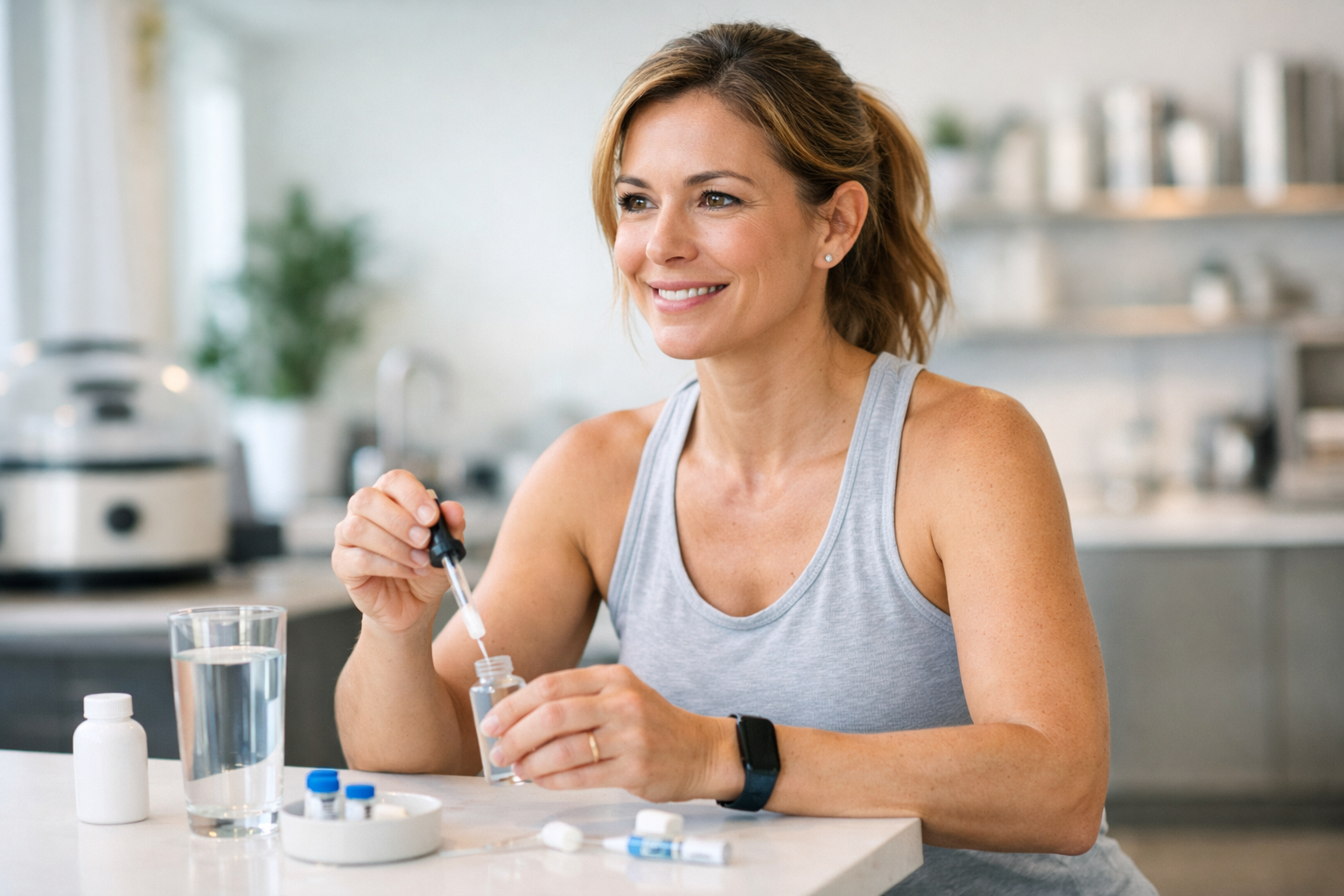
Mixing and Dissolving Techniques
Once the solvent is added, gentle mixing is the rule. Never shake a peptide vial vigorously. Shaking introduces air bubbles and can break peptide bonds, reducing potency and creating aggregation.
Instead, use one of these approved techniques:
- Roll the vial slowly between your palms for thirty to sixty seconds
- Gently swirl the vial in a circular motion
- Allow the vial to sit at room temperature and dissolve passively over several minutes
For researchers working with compounds like those covered in the BPC-157 research guide, gentle reconstitution is especially important because aggressive mixing can affect the compound’s bioactivity in ways that skew experimental results.
Verifying Complete Dissolution
Hold the vial up to a light source and inspect the solution carefully. A fully dissolved peptide solution should appear clear and free of visible particles, cloudiness, or floating debris.
Some peptides produce a slightly colored solution, which is normal. What you’re looking for is the absence of undissolved clumps or a milky appearance that suggests incomplete dissolution. If particles remain, allow more time or apply the troubleshooting steps covered later in this guide.
Dosage Calculations, Storage, and Applications
Calculating Doses and Concentrations
Accurate dosage calculation starts with knowing two numbers: the total amount of peptide in the vial (usually in milligrams) and the volume of solvent you added (in milliliters). Dividing the peptide amount by the solvent volume gives you the concentration in milligrams per milliliter.
For example, if you have a 5mg peptide vial and add 2ml of bacteriostatic water, your concentration is 2.5mg per ml. From there, you can calculate the exact syringe volume needed for any target dose. Using an insulin syringe marked in units makes this calculation straightforward for subcutaneous injection applications.
Storage Guidelines for Reconstituted Peptides
Once reconstituted, peptide stability decreases compared to the lyophilized form. Refrigeration at around 2 to 8 degrees Celsius is required for all reconstituted solutions.
Follow these storage practices to maximize peptide half-life and potency:
- Store vials upright in the back of the refrigerator, away from the door
- Keep vials away from light by wrapping in foil or using an opaque container
- Never freeze a reconstituted peptide solution, as ice crystal formation damages the compound
- Label each vial with the peptide name, concentration, and reconstitution date
- Use bacteriostatic water preparations within four weeks for best results
Peptide storage is one area where small habits make a significant difference in long-term research outcomes.

Practical Uses in Research and Therapy
Reconstituted peptides serve a wide range of applications across research and clinical contexts. Research peptides are used to study mechanisms of tissue repair, immune modulation, cognitive function, and metabolic regulation.
In therapeutic contexts, subcutaneous injection is the most common delivery method, allowing for controlled absorption and predictable pharmacokinetics. Compounds like TB-500 are frequently studied for their role in tissue recovery and cellular repair, making accurate reconstitution essential for consistent dosing in those protocols.
Troubleshooting Common Issues
Addressing Clumping and Aggregation
Clumping happens when peptide molecules bind to each other rather than dissolving into the solvent. This is more common with hydrophobic peptides or when solvent is added too quickly.
If you notice clumping after initial reconstitution, try these approaches:
- Allow the vial to sit at room temperature for an additional fifteen to thirty minutes
- Gently roll the vial again without shaking
- Add a small additional volume of solvent to reduce concentration and improve solubility
- Consider switching to a dilute acetic acid solution if water-based solvents are not working
Patience is genuinely the most effective tool for resolving aggregation, and most clumps will dissolve with time and gentle movement.
Solving Solubility Problems
Some peptides are inherently difficult to dissolve due to their amino acid composition. Hydrophobic sequences resist water-based solvents, and highly charged peptides can behave unpredictably depending on pH.
A practical approach is to start with a small volume of acetic acid solution to wet the peptide, then dilute to your target concentration with bacteriostatic water or sterile water. This two-step dilution method improves solubility without requiring harsh solvents that could compromise the compound.
Preventing Contamination and Degradation
Contamination is the silent killer of reconstituted peptides. Bacterial growth, particulate matter, and chemical degradation can all occur without visible signs until the peptide has already lost potency.
Key contamination prevention habits include:
- Always use a fresh alcohol swab on vial stoppers before each needle insertion
- Never reuse syringes or needles between vials
- Discard any solution that appears cloudy, discolored, or contains visible particles
- Minimize the number of times you puncture a vial stopper to reduce contamination risk
- Use bacteriostatic water rather than sterile water for any multi-dose vial
Degradation is irreversible, so prevention through proper technique and storage is always the better strategy.
Conclusion
Reconstituting peptides correctly is a foundational skill that affects every downstream result, from dosage accuracy to compound stability. The process itself is not complicated, but it demands attention to detail, proper materials, and consistent hygiene practices.
Understanding your solvent options, handling the peptide vial with care, and storing the final solution properly will protect your investment and ensure reliable outcomes. For anyone exploring skin-focused compounds, understanding how glow peptides work alongside proper reconstitution technique helps maximize their effectiveness in any protocol.
FAQ
What solvent should I use for reconstituting peptides?
Bacteriostatic water is the most widely used solvent for multi-dose peptide vials because it resists bacterial contamination. Sterile water works for single-use preparations. Hydrophobic or poorly soluble peptides may require a dilute acetic acid solution to achieve full dissolution before diluting with your primary solvent.
How do I know if the peptide is fully dissolved?
A fully dissolved peptide solution will appear clear when held up to light, with no visible particles, cloudiness, or floating material. Some peptides produce a faint color, which is normal. If the solution looks milky or contains visible clumps, allow more time and use gentle rolling to encourage complete dissolution.
How long can reconstituted peptides be stored?
Reconstituted peptides stored under refrigeration at 2 to 8 degrees Celsius typically remain stable for two to four weeks when prepared with bacteriostatic water. Sterile water preparations should be used within a few days. Never freeze a reconstituted solution, and always discard any vial showing signs of contamination or degradation.